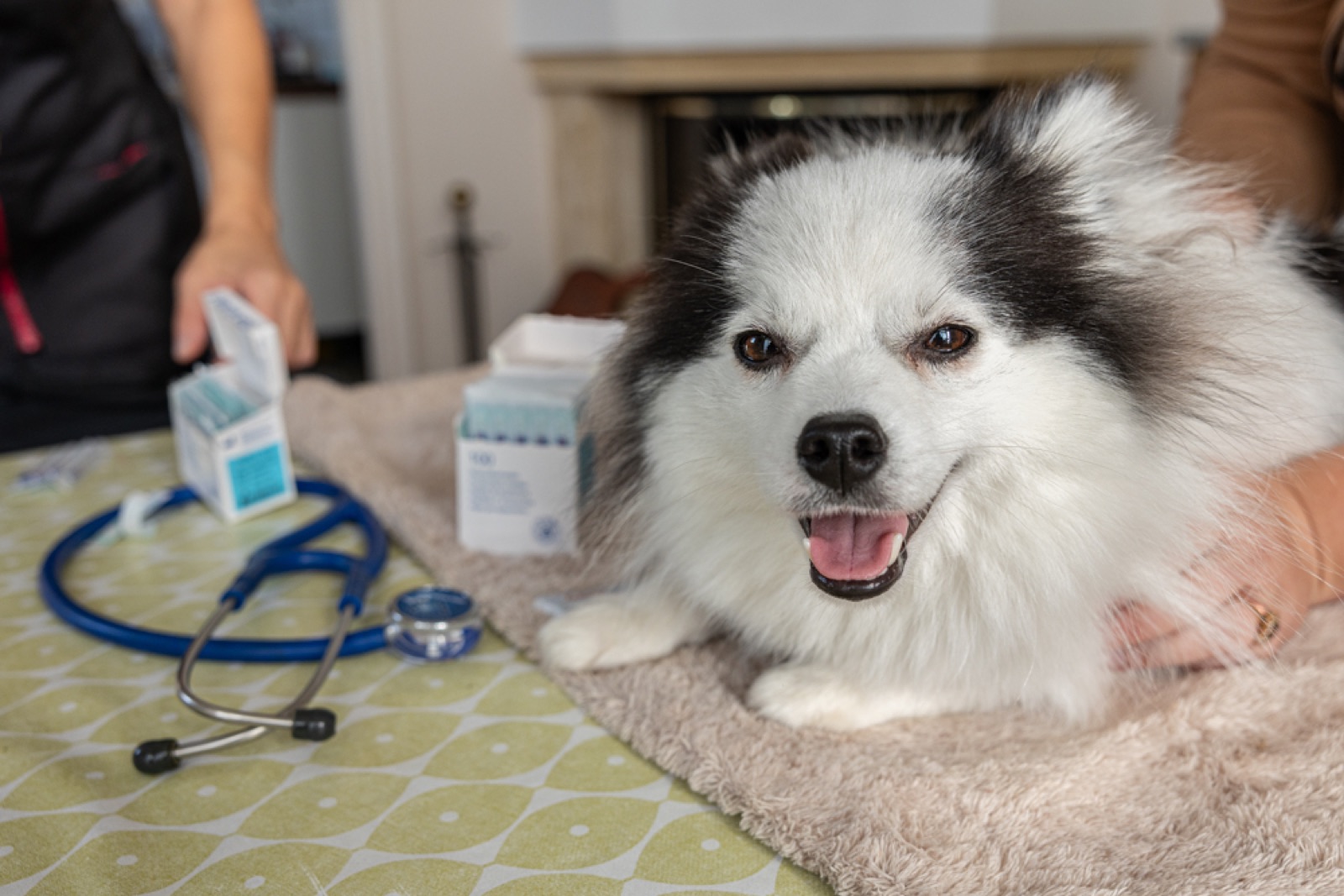
The situation
A three-vet mixed-practice clinic in North Rhine-Westphalia was losing staff to burnout. In the eighteen months before joining Smartemis, the clinic had seen two nurses resign — both citing stress and workload as their primary reason. A third had taken extended sick leave for stress-related illness. The two remaining vets were covering duties far beyond their clinical roles, and the clinic's patient satisfaction scores had started to decline.
The owner recognized the problem but couldn't see a solution that didn't require hiring additional staff the clinic couldn't afford. She joined Smartemis specifically to get outside eyes on the operational structure.
What the audit found
The Smartemis practice development team spent three days observing the clinic's workflows before making any recommendations. They identified four distinct sources of avoidable pressure:
- Appointment scheduling inefficiencies. The booking system allowed double-stacking of appointment types that required the same room, creating predictable bottlenecks every Tuesday and Thursday afternoon.
- Manual PMS data entry. Staff were re-entering data the PMS could auto-populate, adding approximately 45 minutes per vet per day to administrative load.
- Unclear task ownership. Several recurring tasks had no designated owner, so they were either duplicated by multiple staff or fell through the gaps.
- No buffer appointments. The schedule had zero slack — any urgent case arriving mid-afternoon cascaded delays through the rest of the day.
"We weren't doing anything wrong. We were just doing too many things at once, in the wrong order, with no system behind it. Once we could see it, fixing it was actually straightforward."
What changed
The recommendations were implemented over six weeks. No new software was purchased. No additional staff were hired. The booking system was reconfigured, PMS auto-population was activated, a simple task ownership chart was introduced at a team meeting, and two buffer slots were added to each afternoon.
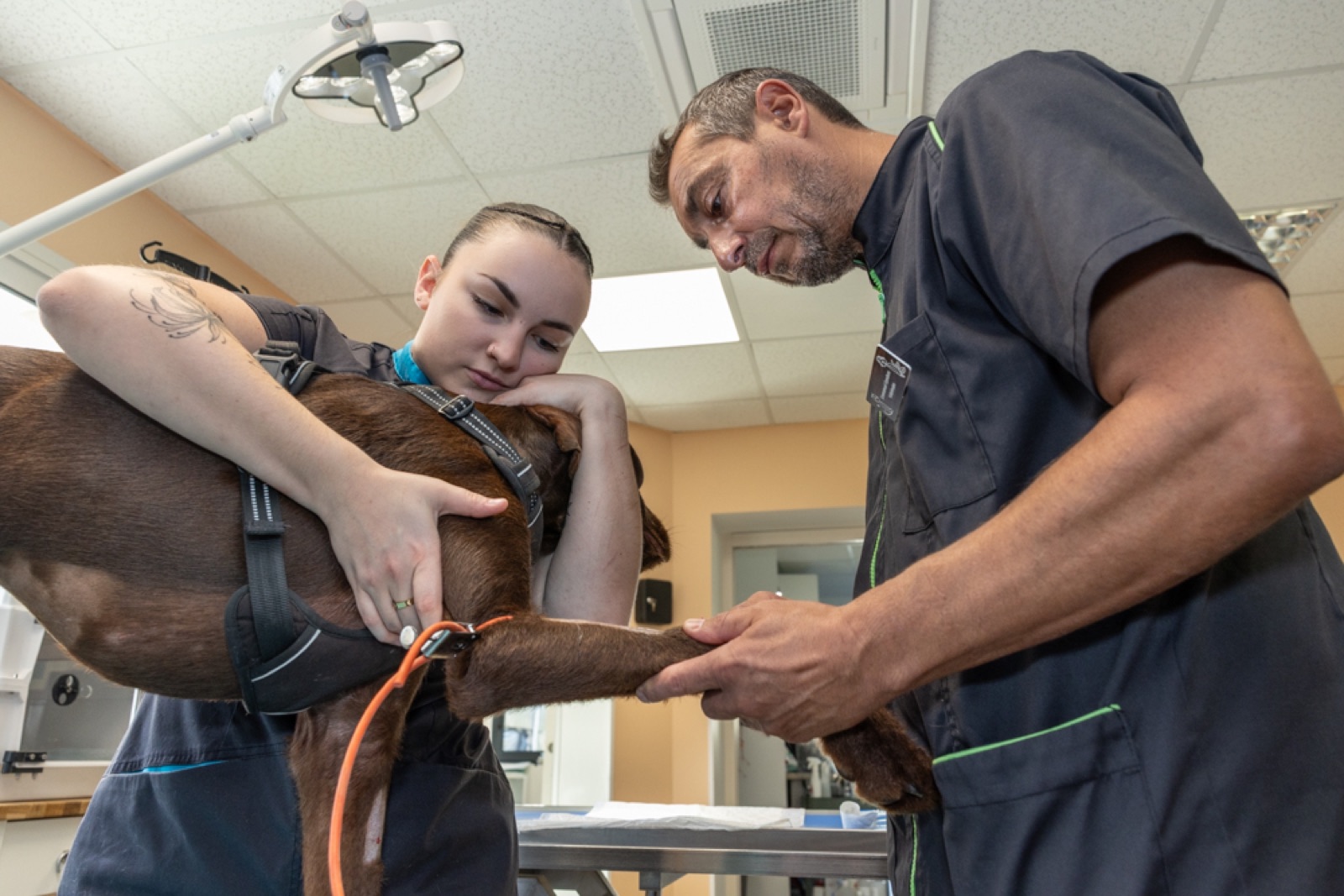
measured team stress
to sustained improvement
departures that year
Why this matters for the network
Staff retention is the most expensive hidden cost in veterinary practice. Every nurse who leaves takes institutional knowledge, patient relationships, and — at current market rates — approximately €8,000–€12,000 in recruitment and onboarding cost.
Operational structure is not glamorous work. But it is the work that determines whether a clinic is sustainable — not just this year, but over a decade.