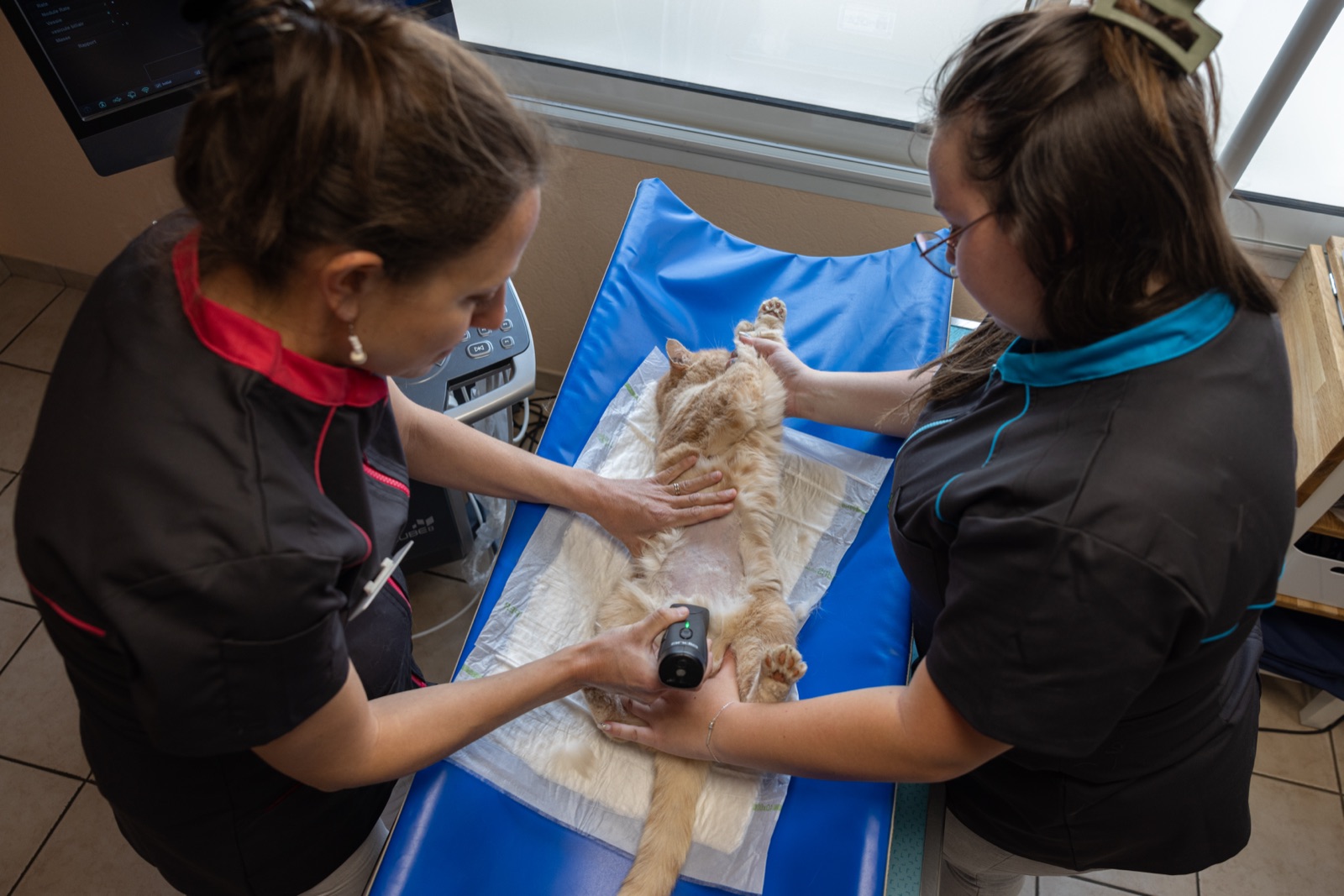
The situation
A two-vet small animal practice in Baden-Württemberg was fully booked four weeks ahead. The waiting list had reached a point where new patients were being turned away, and the owner was considering whether to hire a third vet. Before committing to the additional fixed cost, she asked the Smartemis practice development team to look at whether the capacity constraint was genuinely clinical or whether it was being driven by something else.
It was something else.
Where the time was going
A workflow analysis conducted over two weeks identified that the two vets were collectively spending approximately one full day per week on tasks that were either administrative in nature, duplicated unnecessarily, or could be handled by the nursing team with minimal additional training:
- Post-consultation documentation. Both vets were writing full consultation notes in real time during the appointment rather than using a structured template that could be completed in two minutes after the patient left.
- Prescription authorization. Routine repeat prescriptions were being reviewed by a vet at every cycle. The majority required no clinical judgement — the PMS could flag exceptions automatically.
- Client callback calls. Both vets were making all follow-up calls personally. A large proportion were result notifications that a trained nurse could deliver within a documented protocol.
"I thought I needed another vet. What I actually needed was to stop doing things a vet doesn't need to do. The difference in how I feel at the end of a working day is significant."
What changed
Over eight weeks, the Smartemis team worked with the clinic to restructure its daily workflow. Consultation note templates were introduced. Prescription protocols were updated and PMS automation activated. Nurse callback protocols were established with a clear escalation framework.
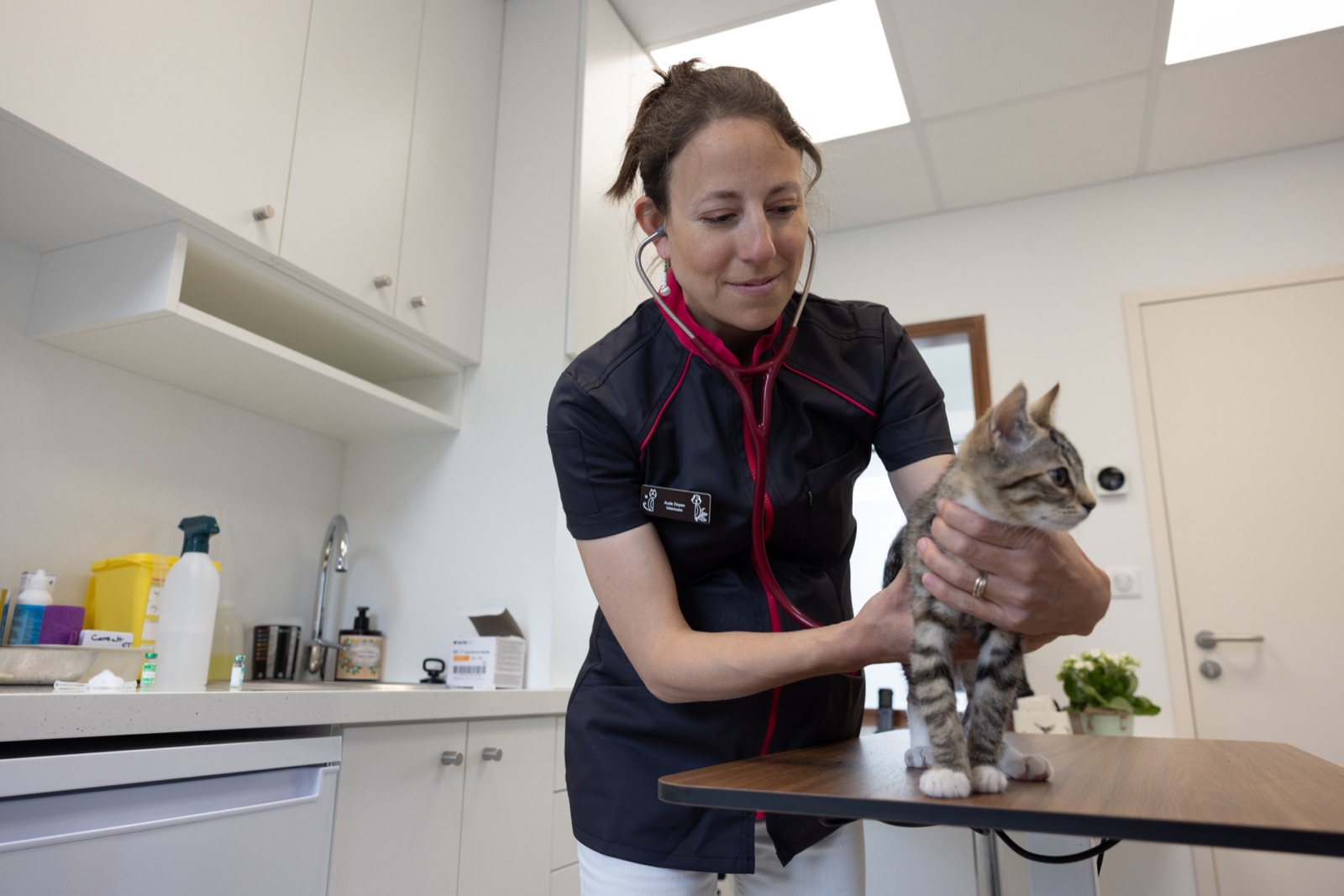
freed per vet
capacity per week
required
Why this matters for the network
In a fully-booked practice, every hour of clinical time recovered from administration is an hour that can serve patients. In this clinic, the 20% admin reduction freed approximately half a day of clinical capacity per week — without a single additional hire, and without asking either vet to work harder. They were working smarter, with better systems.
This is the compounding logic of the network: improvements that would take a solo practitioner years to stumble upon are available on day one of membership.